Common Causes of Ceiling Cracks and Sagging in South Central Pennsylvania Houses
March 21, 2026
Ceiling cracks and sagging are common concerns for homeowners in South Central Pennsylvania, often raising questions about the structural integrity of their homes. While minor hairline cracks may be a cosmetic issue, more significant damage can indicate underlying structural problems that require prompt attention. Understanding the causes of these issues is essential not only for preserving the aesthetic appeal of your home but also for ensuring safety and preventing costly repairs. With diverse home styles ranging from historic Colonial homes to modern suburban constructions, the region’s homeowners encounter unique challenges related to ceiling maintenance, including seasonal temperature fluctuations, humidity levels, and age-related wear.
Identifying the root cause of ceiling damage is not always straightforward. Multiple factors—including construction practices, environmental conditions, and home maintenance habits—can contribute to cracks and sagging over time. This knowledge empowers homeowners to take preventive measures and address problems early, reducing the risk of further deterioration. In this comprehensive guide, we will explore the most common causes of ceiling cracks and sagging, examining each factor in detail and providing practical insights to help South Central Pennsylvania homeowners protect the integrity of their homes.
1. Structural Shifts and Settling
Natural House Settling
Over time, all homes experience some degree of settling, which is a natural process. As the foundation shifts slightly due to soil compaction or minor earth movement, ceilings may gradually develop cracks or uneven surfaces. In South Central Pennsylvania, clay-rich soils are especially common, which expand when wet and contract during dry spells, contributing significantly to foundation movement over time. Homeowners may notice diagonal cracks forming near corners where the ceiling meets walls, often signaling settling rather than immediate structural failure, but these should always be monitored closely for any progression.
Load-Bearing Stress
Ceilings can also sag when structural loads exceed the original design capacity of joists or beams. Heavy furniture, attic storage, or even added insulation can substantially increase load on ceiling joists, causing noticeable bowing over time. In older homes, original wooden joists may weaken due to age, insect damage, or natural wear, exacerbating sagging issues if left unaddressed. Proper load management and routine inspection of structural supports can help prevent severe sagging and costly long-term repairs.
Signs to Watch For
Early detection is absolutely critical to avoid expensive repairs later. Uneven seams, bulging areas, or cracks that appear after heavy rain or snowfall may indicate underlying foundation or structural stress. Consulting a licensed structural engineer can help determine whether repairs are purely cosmetic or require reinforcement to prevent further long-term damage and maintain overall home safety.
2. Water Damage and Moisture Issues
Leaks from Roofs and Plumbing
Water intrusion remains one of the primary causes of ceiling cracks and sagging throughout homes. Roof leaks, damaged shingles, or compromised flashing allow rainwater to slowly seep into ceiling materials, softening drywall or plaster over time. Plumbing issues—such as leaking pipes in the attic or upper floors—also contribute to gradual ceiling deterioration. Moisture significantly weakens materials, leading to sagging or even potential collapse if left unaddressed for an extended period.
Humidity and Condensation
South Central Pennsylvania experiences seasonal humidity fluctuations that can seriously affect many homes, particularly older constructions without modern ventilation systems. High humidity causes materials like plaster and drywall to expand and contract repeatedly, forming cracks over time. Condensation around poorly insulated ducts or ceiling cavities can accelerate this process further, especially in attics or poorly ventilated rooms, adding to overall structural stress.
Prevention and Mitigation
Regular roof inspections, prompt plumbing repairs, and proper attic ventilation help significantly prevent water-related ceiling damage. Installing moisture-resistant drywall in high-risk areas, such as bathrooms or kitchens, also reduces long-term risk effectively. Homeowners should address even minor leaks immediately to prevent structural damage, mold growth, and future repair costs.
3. Aging Building Materials
Drywall and Plaster Degradation
Ceilings constructed with older plaster or drywall may gradually develop cracks as materials lose strength over several decades. Plaster, especially in historic South Central Pennsylvania homes, is prone to shrinking and separating from the lath, causing linear or spiderweb cracks over time. Drywall joints can also weaken, particularly if the home has experienced multiple renovations, repainting, or layering of additional finishes. Material fatigue becomes increasingly common in older properties without periodic maintenance or reinforcement measures.
Joint Compound Failures
Many ceiling cracks originate at joints between drywall panels, where the original compounds may deteriorate. Over decades, joint compounds dry out and become brittle, making cracks more likely to appear even with minimal structural movement. Homes built in the mid-20th century often use less resilient compounds, which can result in frequent maintenance needs and ongoing ceiling repairs if left unattended.
Signs of Material Fatigue
Sagging often coincides with bulging or softened drywall areas that are noticeable when touched. Tapping the ceiling may reveal hollow or damp spots, signaling compromised material that requires attention. Recognizing aging materials early allows homeowners to undertake timely reinforcement or replacement, extending the functional life of the ceiling while avoiding more extensive damage.
4. Temperature Fluctuations and Environmental Factors
Seasonal Expansion and Contraction
South Central Pennsylvania experiences hot summers and cold winters, leading to significant temperature swings that impact ceiling materials. Ceiling materials naturally expand during summer heat and contract during winter cold, contributing over time to the formation of cracks. Homes with attics that lack proper insulation, ventilation, or temperature control are particularly susceptible to this repeated thermal stress and material fatigue.
Freeze-Thaw Cycles
For homes with roof leaks or exterior gaps, freeze-thaw cycles can exacerbate existing ceiling damage dramatically. Water infiltration followed by freezing creates internal pressure within the ceiling materials, resulting in cracks or sagging that often appear suddenly in early spring. This issue can be particularly damaging in older homes with wooden joists or plaster ceilings.
Best Practices for Prevention
Maintaining consistent indoor temperatures and ensuring proper insulation reduces thermal stress on ceilings substantially. Homeowners should also inspect attic vents, roof eaves, and insulation gaps for potential air leaks or ice dams, which can introduce moisture and accelerate material fatigue over time. Regular seasonal inspections prevent long-term structural concerns.
5. Poor Construction or Renovation Practices
Inadequate Support and Fastening
Ceiling sagging frequently results from substandard construction practices that fail to provide sufficient support. Improperly spaced joists, insufficient fasteners, or overreliance on lightweight drywall without adequate reinforcement can all lead to future problems. Homes that have undergone DIY renovations or work by unlicensed contractors may exhibit early signs of ceiling instability, which can worsen with age and additional load.
Over-Reliance on Cosmetic Fixes
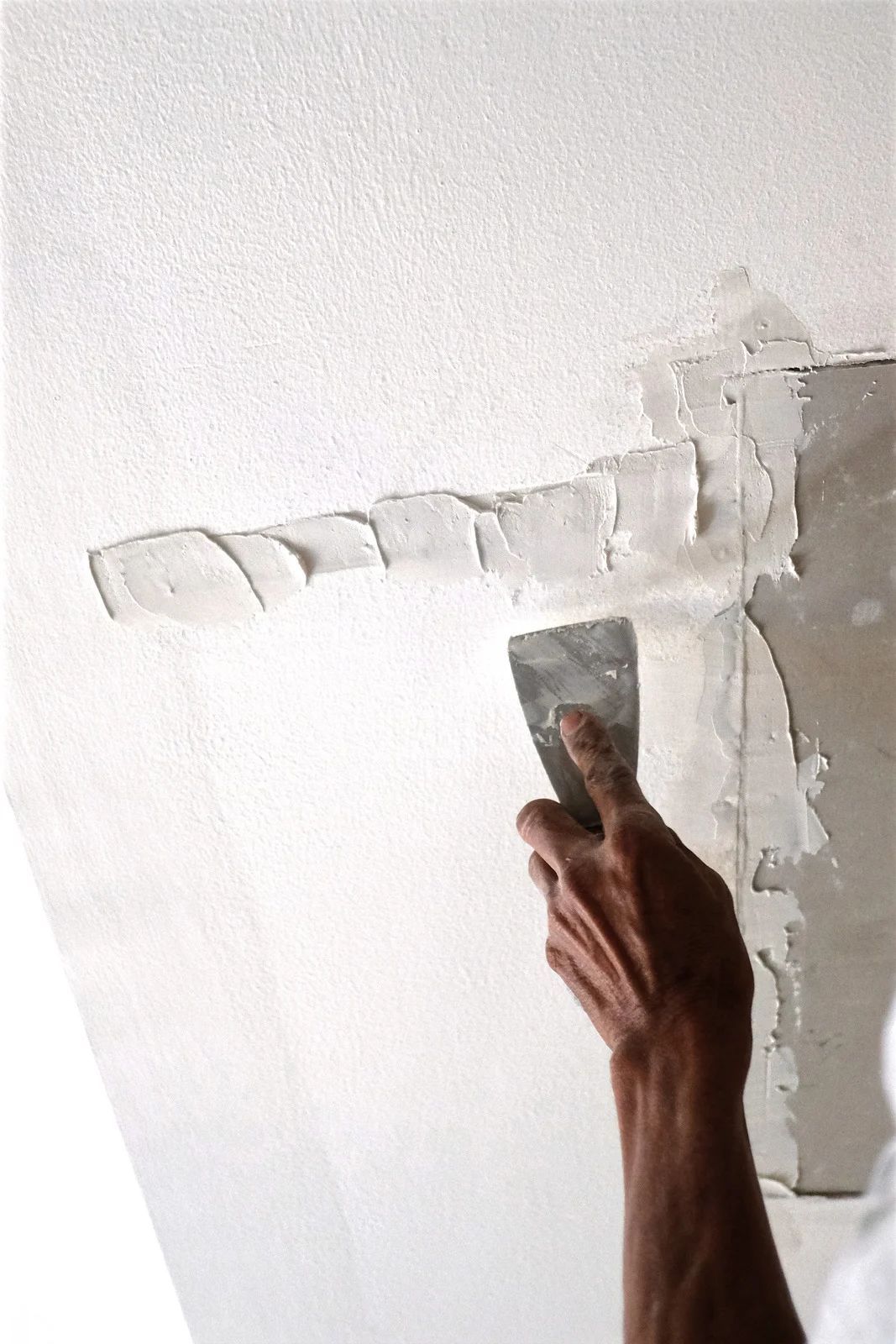
Taping and mudding cracks without addressing underlying structural causes can temporarily mask the problem but often leads to repeated recurrence. Cosmetic fixes should only be performed after confirming that load distribution, moisture intrusion, and structural concerns have all been corrected effectively. Otherwise, minor repairs may only provide temporary relief.
Ensuring Long-Term Stability
Hiring experienced contractors for renovations and ensuring compliance with local building codes helps maintain ceiling integrity over the long term. Reinforcing joists, using proper fasteners, and choosing high-quality materials are crucial steps to avoid repeated repairs and protect both the aesthetics and safety of your home.
6. Pest Damage and Biological Factors
Termites and Carpenter Ants
Wooden ceiling joists and beams can be severely compromised by termites, carpenter ants, or other wood-boring pests. Damage often goes unnoticed until visible sagging or cracks appear in the ceiling. Termite infestations can weaken critical load-bearing structures, posing serious safety hazards that require immediate attention from pest control professionals.
Mold and Fungal Growth
Excess moisture behind ceilings often leads to mold growth, which deteriorates drywall or plaster over time. Mold not only causes aesthetic damage but also contributes to potential health concerns for household members. Ceiling sagging may occur as the materials soften and lose structural integrity, sometimes creating a persistent problem if moisture is not controlled.
Mitigation Strategies
Routine pest inspections and prompt treatment of infestations prevent long-term damage effectively. Addressing water leaks, ensuring proper ventilation, and using mold-resistant materials all reduce the risk of biological degradation. Homeowners should monitor attics, crawl spaces, and ceiling cavities regularly for early signs of pests or mold growth to mitigate problems quickly.
Trusted Drywall Experts Ensuring Lasting Ceiling Repairs
Ceiling cracks and sagging in South Central Pennsylvania homes can arise from a variety of factors, including structural shifts, water damage, aging materials, environmental stress, poor construction, and pest activity. Understanding these causes helps homeowners take proactive steps to protect their properties, from routine inspections and timely repairs to proper load management and moisture control. Early identification of issues is critical in preventing further damage, ensuring safety, and preserving the aesthetic and financial value of a home.
For homeowners seeking professional drywall solutions, Patch Boys of South Central PA
in Hershey, Pennsylvania, offers over 20
years of trusted experience in
drywall repair and installation. Our team specializes in addressing ceiling cracks, sagging, and other drywall issues with precision and care. With a commitment to quality workmanship, reliable service, and personalized solutions, we ensure that every repair not only restores your ceiling’s appearance but also strengthens its durability. Partnering with an experienced and local expert allows South Central Pennsylvania homeowners to maintain safe, beautiful homes for years to come.