How Pennsylvania's Seasonal Weather Affects Drywall and Interior Walls
May 19, 2026
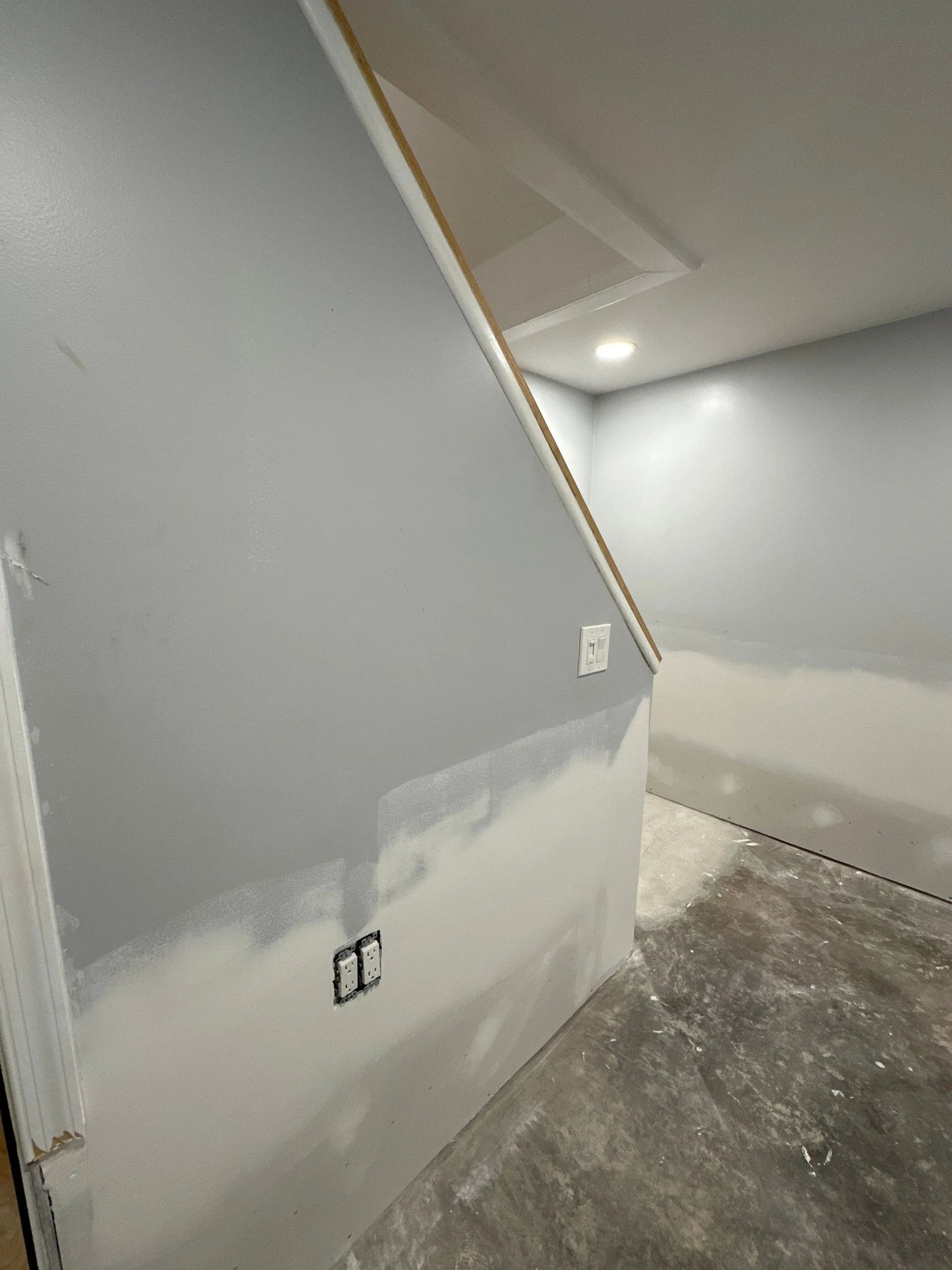
Pennsylvania’s climate presents a unique set of challenges for homeowners, particularly when it comes to maintaining drywall and interior wall systems. With cold, dry winters, humid summers, and fluctuating temperatures throughout the year, interior materials are constantly expanding, contracting, and adjusting to environmental stress. These seasonal changes can lead to visible and structural issues such as cracks, nail pops, joint separation, and moisture-related damage. Understanding how weather patterns influence drywall performance is essential for preventing long-term deterioration and maintaining the integrity of indoor spaces.
In the construction and home improvement industry, recognizing the connection between climate and building materials is critical for making informed decisions. Drywall, while durable and cost-effective, is highly sensitive to moisture levels and temperature shifts. Without proper installation, insulation, and maintenance, even minor seasonal fluctuations can result in costly repairs. By exploring how Pennsylvania’s seasonal weather affects drywall and interior walls, homeowners and property managers can take proactive steps to protect their investments, improve indoor comfort, and ensure long-lasting structural performance.
1. Winter Conditions and Drywall Stress
Impact of Cold Temperatures on Material Contraction
During Pennsylvania winters, temperatures frequently drop below freezing, causing building materials to contract significantly over time. Drywall panels, framing lumber, and joint compounds all respond differently to cold, which creates stress at seams and fasteners throughout the structure. This often results in hairline cracks, particularly along corners and ceiling joints in many homes.
When indoor heating systems are running continuously, the contrast between warm indoor air and cold exterior conditions intensifies this effect even further. The structural framing may shrink slightly, while drywall remains relatively stable, leading to visible separation at joints and seams. Over time, repeated contraction cycles weaken these areas, making them more prone to noticeable and recurring damage.
Effects of Low Humidity on Interior Walls
Winter air in Pennsylvania is typically dry, especially when heating systems reduce indoor humidity levels across the entire home environment. This dryness causes drywall compound and paint to lose moisture, leading to shrinkage and increased brittleness over time. As a result, nail pops and minor cracks become more common in interior wall surfaces.
A real-world example includes homes with forced-air heating systems where humidity drops below 30% during extended cold periods. In such cases, drywall seams may become more pronounced, and previously repaired areas can reappear and worsen. Maintaining balanced humidity levels through humidifiers can significantly reduce these issues and improve overall wall durability.
2. Spring Moisture and Structural Movement
Increased Humidity and Material Expansion
Spring introduces higher humidity levels and increased rainfall, which can reverse the contraction effects experienced during winter months. Drywall and framing materials absorb moisture from the air, leading to expansion and subtle dimensional changes over time. This expansion can worsen existing cracks or create new stress points in walls and ceilings throughout the home.
In basements and lower levels, where moisture exposure is higher due to environmental conditions, drywall may begin to swell or show signs of warping. This is especially common in homes without proper vapor barriers or effective waterproofing systems installed.
Foundation Settling and Wall Cracks
Spring thawing can also affect the ground surrounding a home as frozen soil begins to soften and shift. As frozen soil softens, slight foundation shifts may occur and impact structural stability. Even minimal movement can translate into visible drywall cracks, particularly around door frames, windows, and load-bearing walls inside the home.
For example, homeowners often notice diagonal cracks forming in early spring after seasonal ground movement occurs. These cracks are not always structural threats but indicate movement that should be carefully monitored over time. Addressing drainage issues and ensuring proper grading around the home can minimize these risks significantly.
3. Summer Heat and High Humidity Effects
Moisture Absorption and Drywall Softening
Pennsylvania summers are characterized by high humidity levels, which significantly impact drywall performance in various indoor environments. Excess moisture in the air can be absorbed by drywall, causing it to soften and lose structural rigidity over time. This is particularly problematic in poorly ventilated areas such as bathrooms, kitchens, and attics within residential properties.
In extreme cases, prolonged exposure to humidity can lead to sagging ceilings or bubbling paint on interior surfaces. Drywall tape may loosen, and joints can become more visible and unsightly across different wall sections. Proper ventilation and dehumidification are essential during this season to maintain wall integrity and prevent costly damage.
Risk of Mold and Mildew Growth
High humidity combined with warm temperatures creates ideal conditions for mold and mildew growth within wall cavities. When moisture becomes trapped behind drywall or within wall cavities, it can lead to serious health and structural concerns over time.
A common scenario involves air conditioning systems that are not properly sized or regularly maintained for efficiency. Inefficient cooling can result in excess indoor humidity, increasing the likelihood of mold development inside walls. Regular HVAC maintenance and moisture control measures are critical in preventing these issues effectively.
4. Fall Transitions and Preparation Challenges
Fluctuating Temperatures and Material Stress
Fall in Pennsylvania is marked by frequent temperature swings, with warm days and cool nights throughout the season. These fluctuations cause repeated expansion and contraction cycles in drywall and framing materials over time. Over time, this stress can weaken joints and lead to visible imperfections across walls and ceilings.
Homeowners may notice that previously stable walls begin to show minor cracking or separation during this transitional period. These changes often signal the need for maintenance before winter conditions set in and worsen existing issues.
Preparing Interior Walls for Winter
Fall is an ideal time to inspect and repair drywall before the harsher winter months arrive each year. Addressing small issues early can prevent them from becoming larger, more costly problems in the future.
Best practices include sealing cracks, reinforcing joints, and ensuring proper insulation throughout the home structure. Additionally, checking for drafts and air leaks can help maintain consistent indoor temperatures, reducing stress on interior walls significantly. Proactive maintenance during fall can significantly improve drywall performance throughout the year and extend its lifespan.
5. Long-Term Effects of Seasonal Cycles
Cumulative Wear and Tear on Drywall
Repeated seasonal changes create cumulative stress on drywall systems across different parts of the home. While individual cracks or nail pops may seem minor, their recurrence indicates underlying environmental pressures affecting the structure. Over time, these small issues can lead to more extensive damage, requiring comprehensive repairs or even full replacement.
For instance, homes that experience consistent humidity fluctuations may develop widespread joint failure over extended periods. This not only affects aesthetics but also compromises the durability of interior walls and ceilings significantly.
Energy Efficiency and Indoor Comfort Implications
Damaged drywall can also impact a home’s energy efficiency by allowing unwanted air movement through gaps. Cracks and gaps allow air infiltration, making it harder to maintain consistent indoor temperatures throughout the year. This leads to increased energy consumption and higher utility costs for homeowners over time.
From a comfort perspective, compromised walls can contribute to drafts, uneven temperatures, and reduced indoor air quality overall. Addressing drywall issues promptly helps maintain both structural integrity and overall living conditions within the home environment.
6. Best Practices for Protecting Drywall Year-Round
Climate Control and Moisture Management
Maintaining consistent indoor humidity levels is one of the most effective ways to protect drywall from seasonal damage. Ideal humidity ranges between 30% and 50%, which minimizes expansion and contraction of materials over time. Using humidifiers in winter and dehumidifiers in summer helps achieve this balance effectively and consistently.
Proper ventilation is equally important for maintaining healthy indoor conditions and preventing moisture buildup. Exhaust fans in kitchens and bathrooms, along with well-maintained HVAC systems, reduce moisture buildup and prevent long-term damage.
Professional Installation and Timely Repairs
High-quality installation plays a critical role in how drywall responds to seasonal changes and environmental stress factors. Proper fastening, joint treatment, and finishing techniques ensure greater durability and resistance to environmental stress over time.
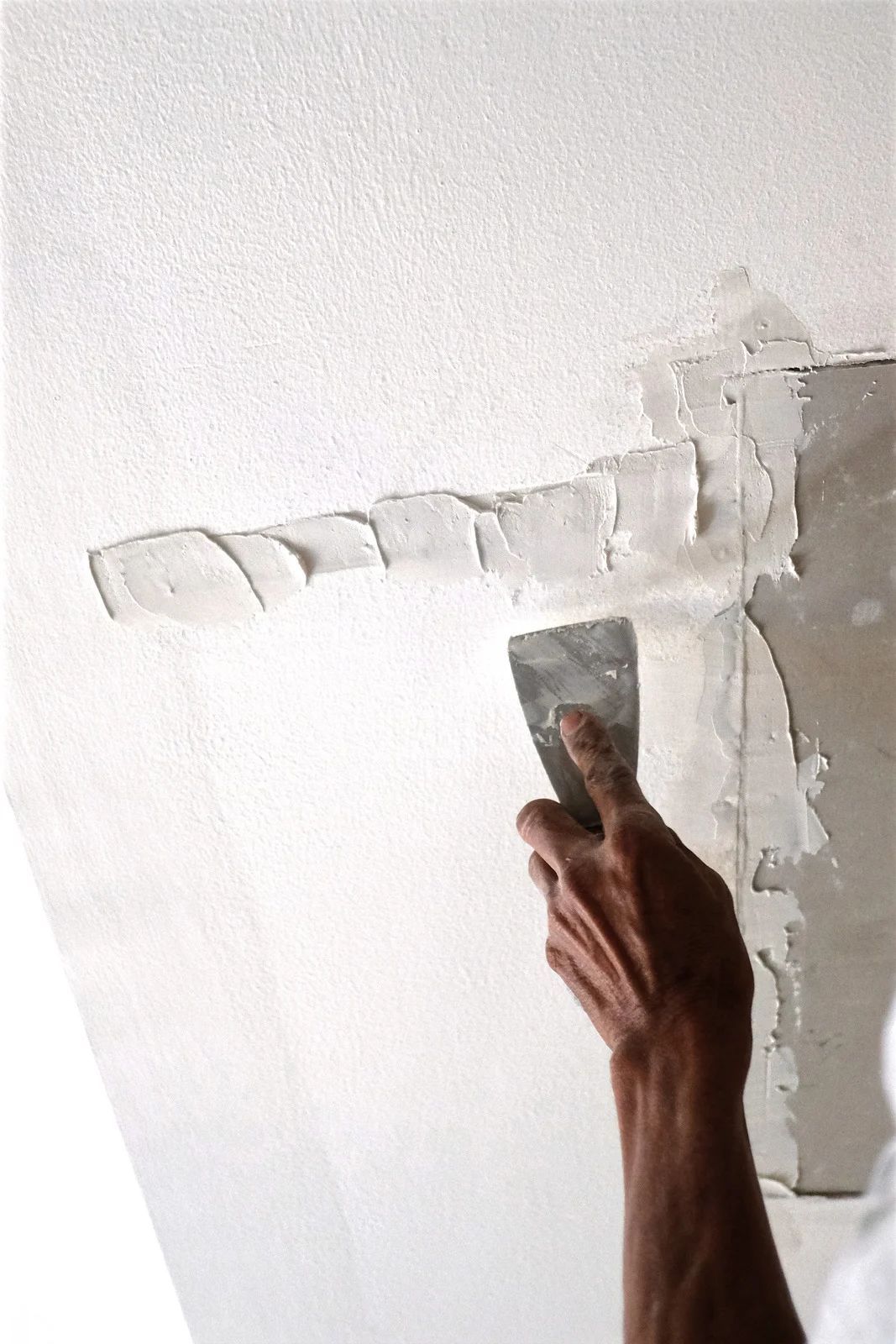
Timely repairs are essential for preventing minor issues from escalating into larger structural concerns. Addressing cracks, nail pops, and moisture damage early extends the lifespan of drywall and reduces long-term repair costs significantly. Regular inspections, especially during seasonal transitions, help identify potential problems before they worsen or spread.
Dependable Wall Repair Experts Focused on Lasting Results
In regions where seasonal shifts are as pronounced as they are in Pennsylvania, having a reliable drywall expert is essential for maintaining interior quality. Patch Boys of South Central PA, a trusted name in drywall repair and installation in Hershey, Pennsylvania, brings over 20 years of hands-on experience in addressing climate-related wall damage. With a deep understanding of how local weather patterns affect drywall systems, we provide tailored solutions designed to withstand seasonal stress.
Our approach focuses on precision, durability, and long-term performance. Whether repairing cracks caused by winter contraction, addressing moisture damage from summer humidity, or preparing walls for seasonal transitions, we ensure every project meets the highest standards. By combining expert craftsmanship with proven techniques, we help homeowners protect their interiors and maintain structural integrity year-round.
Choosing an experienced professional makes a significant difference in preventing recurring issues and ensuring lasting results. With a strong commitment to quality and customer satisfaction, Patch Boys of South Central PA
stands as a dependable partner for all drywall needs, delivering solutions that align with both environmental demands and homeowner expectations.