What Is Skim Coating and When Do Homes in Dauphin County Need It?
June 30, 2026
You run your hand across the living room wall and feel every ridge and roller mark, and the afternoon light hits it just right so the whole surface looks tired and uneven. Maybe you pulled down wallpaper last weekend, and the wall came up rough and torn. Maybe you scraped a popcorn ceiling, and now you are staring at a gouged mess. Whatever brought you here, the fix you are circling has a name: skim coating.
Here is the short version. Skim coating means spreading a thin, even layer of joint compound across an entire surface to erase texture, blend repairs, and leave you with a smooth wall ready to paint. It is not the same as patching one hole, and it is not always necessary. After smoothing thousands of walls and ceilings, we can tell you the difference usually comes down to how the surface behaves under raking light.
What Skim Coating Actually Is
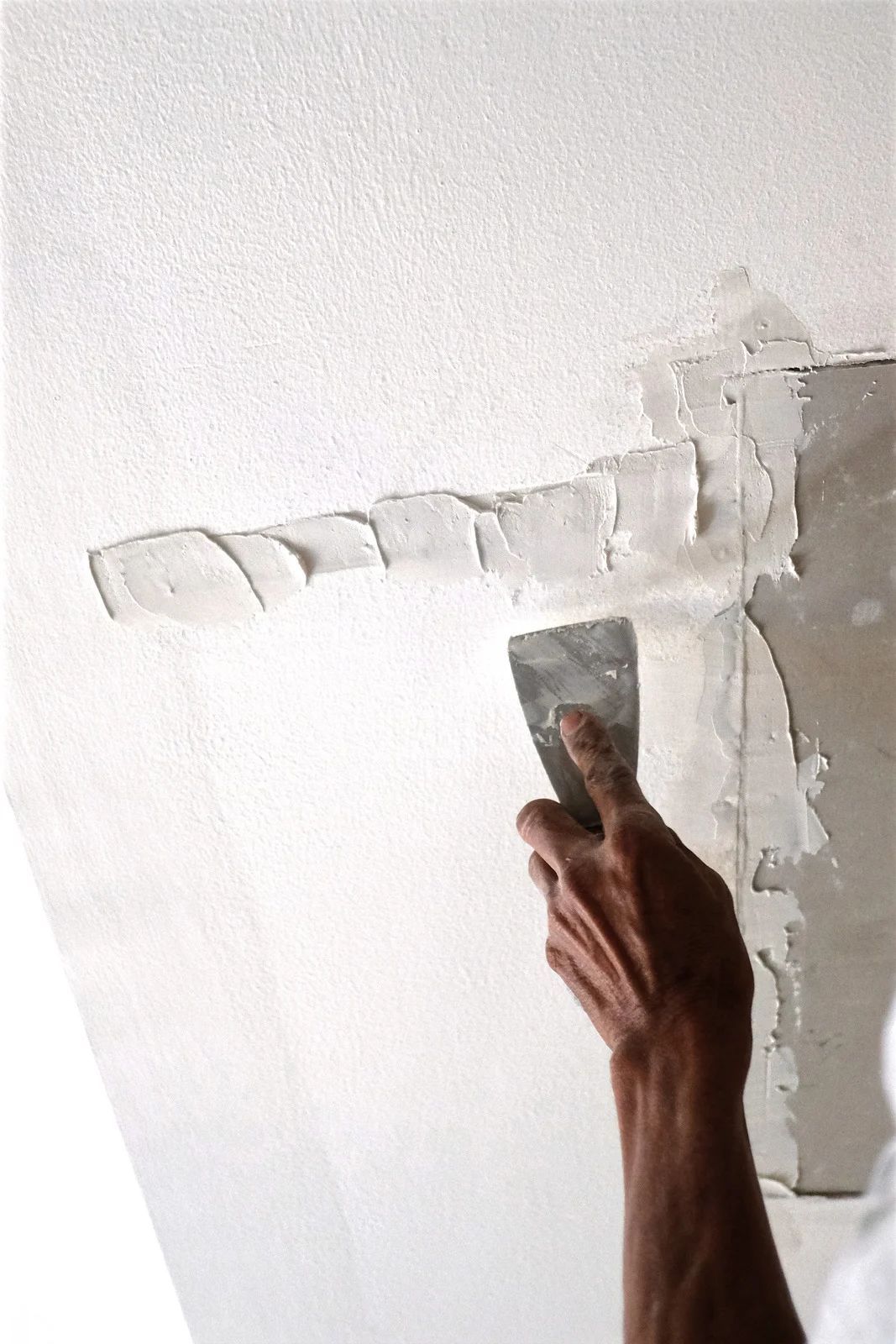
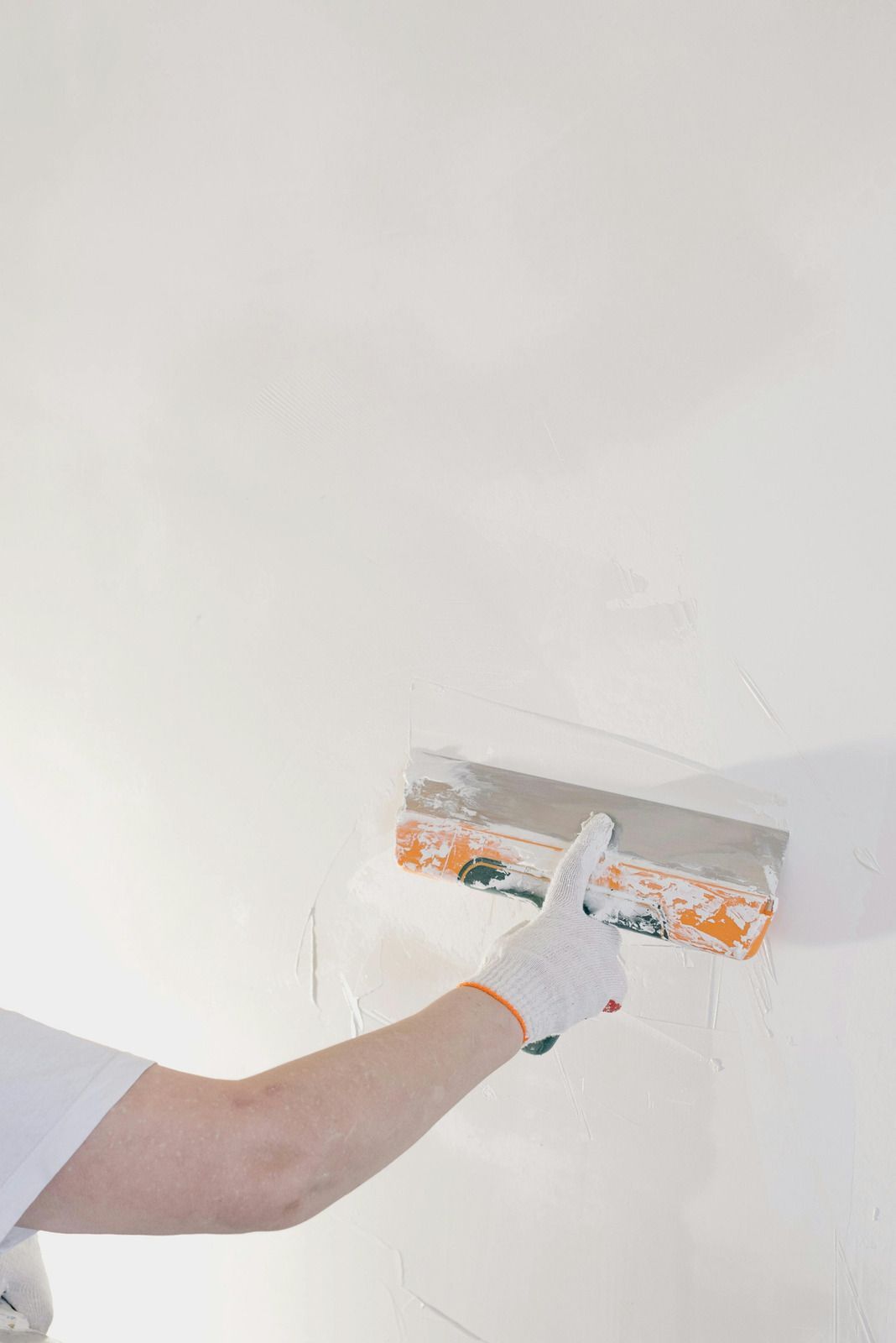
Skim coating is a thin finish layer, usually no thicker than an eighth of an inch, troweled over a wall or ceiling to make the whole surface uniform. We spread joint compound with a wide knife, let it dry, sand it smooth, and often add a second pass for a flawless result. You are not building up the wall or filling deep holes. You are floating a film of compound over the existing surface to level minor waves, fill pinholes, knock down old texture, and tie patched areas into the surrounding wall so no seam shows. That same technique produces the glassy, level five finish that high-end lighting and glossy paint demand.
When Your Home Truly Needs a Skim Coat
The clearest sign you need a skim coat is when small flaws stop being individual problems and start covering the whole surface. A single nail pop or one hairline crack is a patch job. But once you count more than five or six imperfections on one wall, spot patching just creates a quilt of mismatched textures that shows through paint. The situations we see most often: you pulled wallpaper and the drywall paper tore into a fuzzy, uneven face. You want to modernize knockdown or orange peel texture from a 1980s build into a clean, smooth look. Your older plaster walls have a web of fine cracks and a settled, wavy surface. Or fresh paint went on and every old stipple and dent jumped out under the light. If two or more describe your wall, a full skim almost always beats chasing flaws one at a time.
Why Dauphin County Homes Need It More Than Most
Walls reach this point faster here because age and weather work together. A large share of homes around Hershey and greater Dauphin County were built decades ago, many with original plaster over wood lath rather than modern drywall. Plaster is durable but brittle, and after sixty, eighty, or a hundred years it develops spider cracks, soft spots, and a surface that no longer sits flat. Our central Pennsylvania climate adds to it. Humid, sticky summers push moisture into walls, then dry, furnace heated winters pull it right back out. That constant expanding and contracting works joints loose, opens hairline cracks, and pops fasteners. Add a few generations of repaint, and you get exactly the layered, uneven surface a skim coat is built to reset.
Where DIY Skim Coats Go Wrong
The mistake that ruins more DIY skim coats than any other is going on too thick. Joint compound is meant to be spread thin, and when you load it on heavy to fill a low spot in one pass, it cracks as it dries, sags before it sets, and takes days to cure instead of hours. The other repeat offenders: skipping primer over torn drywall paper, which lets compound soak in and bubble the face into blisters. Working in flat light so you never see the waves until the paint betrays them. And the big one, skimming right over a soft or stained spot without asking why it is there.
WARNING: Stop before you skim coat over any wall or ceiling showing brown staining, sagging, or a soft, crumbly feel. Those point to an active moisture problem or failing material behind the surface, and covering them hides a leak that keeps rotting framing or a ceiling at risk of coming down. Find the source first.
TIP: Hold a bright work light flat against the wall so the beam rakes across at a sharp angle. Every dent, ridge, and wave throws a shadow. That five minute test tells you instantly whether you have a few patches or a whole wall that needs floating.
How We Skim a Wall the Right Way
We read the surface before any compound comes out. We rake a light across the wall to map high and low spots, press on suspect areas for soft plaster or loose drywall, and confirm the surface is clean, dry, and stable, because a skim coat only holds over a sound surface. For most walls we float two thin coats with a wide knife, often ten or twelve inches, feathering each pass into the last so no hard edges remain. As for whether you skim or patch, scale decides it. One small ding or nail pop is fair game for a steady handed homeowner over a weekend. But getting a whole wall or ceiling flat and seamless under raking light takes the right tools, compound timing, and real practice. When the texture has to vanish completely or several repairs must blend into one clean plane, that is the point where bringing us in saves you the redo.
Keeping Your Walls Smooth Through the Seasons
Keeping a smoothed wall looking that way comes down to managing moisture and movement. Every month or so, glance along your walls under natural light for new hairline cracks or fastener pops, especially once the heat kicks on in fall. A few times a year, check ceiling corners and exterior facing walls as humid summers give way to dry winters. Once a year, look over bathroom and kitchen ceilings for faint staining and deal with the source early. Over the long run, the most useful habit for a central Pennsylvania home is steady indoor humidity. Running a dehumidifier through muggy summers and easing off the overheated, parched air in winter cuts the seasonal movement that opens cracks.
Frequently Asked Questions
Can you skim coat over wallpaper?
We strongly advise against it. Wallpaper traps moisture and eventually loosens, and any compound floated over the top lifts and bubbles as the paper releases its grip. Remove the wallpaper completely, scrape off every bit of adhesive, seal the torn drywall face with primer, and only then skim the wall for a smooth, lasting result.
How long does a skim coat take to dry?
Each thin coat usually dries within a few hours, though cool or humid air stretches that timeline out considerably. Most walls need two coats with light sanding in between, so a single room often spans one to two full days from start to finish before it sits fully cured and ready to prime and paint.
Should I skim coat over a water stain?
No. A brown or yellow stain means moisture reached the surface, and skimming over it only hides an active problem that will bleed straight back through your fresh finish within weeks. Find and fix the leak at its source first, let the area dry completely, seal the stain, then skim the entire surface perfectly smooth.
Do older Dauphin County homes need skim coating more often?
Often yes. Many local homes carry aging plaster that cracks and goes wavy with age, and our humid central Pennsylvania summers paired with dry, heated winters keep walls steadily expanding and contracting. That constant seasonal movement opens fresh hairline cracks year after year, so older area homes tend to benefit from full skim coats sooner.
Is skim coating a DIY job or should I hire a professional?
It depends entirely on scale. One small patch is fair game for a confident DIYer armed with a knife, compound, and sandpaper. But an entire wall or ceiling, removing stubborn texture, or blending many separate repairs into one flat, seamless plane demands real practice and patience, so the wider jobs will usually belong with us.
Dependable Skim Coating From Experienced Local Drywall Hands
The simplest way to know whether your wall needs a skim coat is to read it under raking light: a few isolated flaws call for a patch, while a surface full of texture, cracks, and old repairs calls for a full smooth finish. That choice comes up more often around here, because our aging plaster homes and the hard swing from humid summers to bone dry winters keep walls cracking and shifting year after year. When you are ready to turn a tired, uneven wall or ceiling back into a smooth surface ready for paint, we are here for it. With 20
years of hands-on drywall experience, we handle
skim coating
and full surface repair for homes throughout Hershey, Pennsylvania, and the surrounding communities. Reach out to Patch Boys of South Central PA
and let us get your walls flat, clean, and ready for fresh paint.