What’s the Cost to Patch Large Holes in Walls?

Large holes in walls are one of those problems homeowners can’t ignore for long. Whether caused by plumbing repairs, door impacts, removed fixtures, or accidental damage, these openings affect both the appearance and integrity of your walls. Unlike small nail holes or minor dents, large holes require proper structural support, patching, and finishing to restore the wall correctly.
For homeowners in Hershey, Pennsylvania, understanding the real cost to patch large wall holes helps set expectations before calling a drywall professional and avoids underestimating what’s involved.
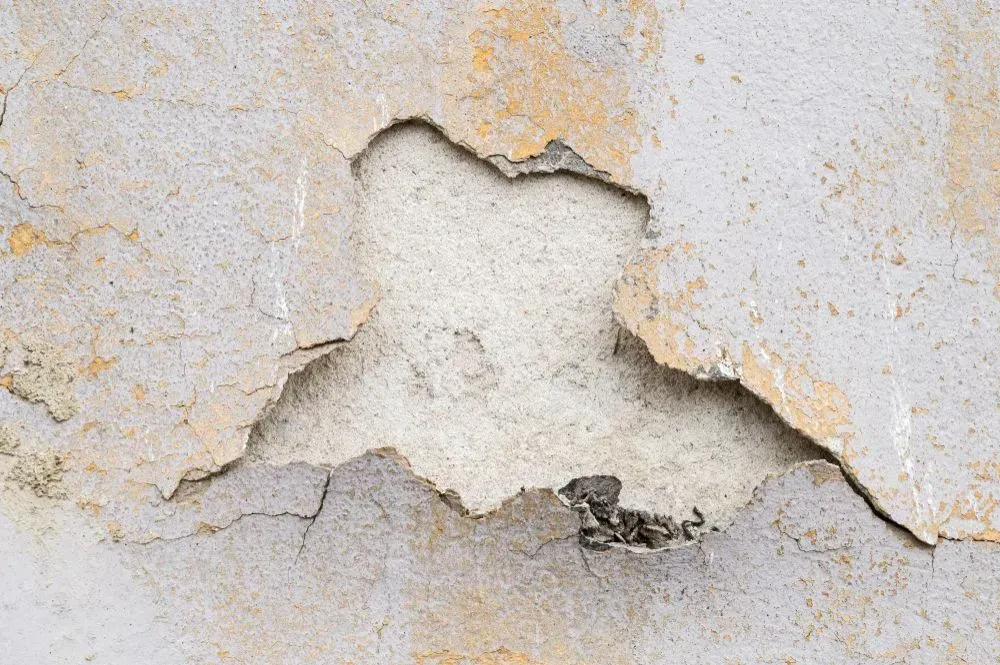
What Counts as a “Large Hole” in Drywall
Not all wall damage is priced the same. Before discussing costs, it helps to clarify what professionals typically consider a large hole.
Large holes generally refer to damage that:
- Extends beyond simple spackling or mesh patch kits
- Exposes wall cavities, insulation, or framing
- Requires new drywall sections to be cut and installed
- Needs blending into existing wall texture or paint
In many Hershey homes, large holes are often left behind after electrical upgrades, plumbing access cuts, or removing built-in shelving.
Average Cost to Patch Large Holes in Walls
Patching large holes is usually priced as a repair service rather than by square footage. This is because setup, precision work, and finishing time matter more than the size of the patch alone.
| Type of Large Hole Repair | Typical Cost Range |
|---|---|
| Single large wall hole | $250 – $500 |
| Multiple large holes in one area | $400 – $900 |
| Ceiling hole repairs | $350 – $700 |
| Structural backing required | $500 – $1,200+ |
In Hershey, Pennsylvania, pricing often reflects the amount of blending required to make the repair invisible rather than just the size of the hole.
Why Large Hole Repairs Cost More Than Small Patches
Large holes require more than surface-level fixes. The repair must restore both structure and appearance.
The cost increases because:
- Backing or framing may be needed behind the drywall
- New drywall sections must be cut, secured, and aligned
- Multiple compound layers are required for strength and finish
- Drying time extends labor over multiple visits
- Texture matching adds additional skill and time
These steps are why large hole repairs are not comparable to simple spackle jobs.
What Affects the Cost of Large Hole Repairs
Several factors influence where your repair falls within the typical cost range. Understanding these variables helps explain differences between quotes.
Key cost factors include:
- Size and depth of the hole
- Wall versus ceiling location
- Accessibility of the damaged area
- Existing wall texture or finish
- Whether insulation or framing is damaged
Homes in Hershey, Pennsylvania with older plaster-drywall hybrids or textured finishes often require more careful blending, which affects pricing.
Wall vs Ceiling Hole Repair Costs
Wall and ceiling repairs are priced differently due to labor and safety considerations.
Wall repairs are usually more affordable because they allow easier access, faster drying, and simpler finishing. Ceiling repairs typically cost more due to overhead work, additional support requirements, and the need to prevent visible sagging or seams after repair.
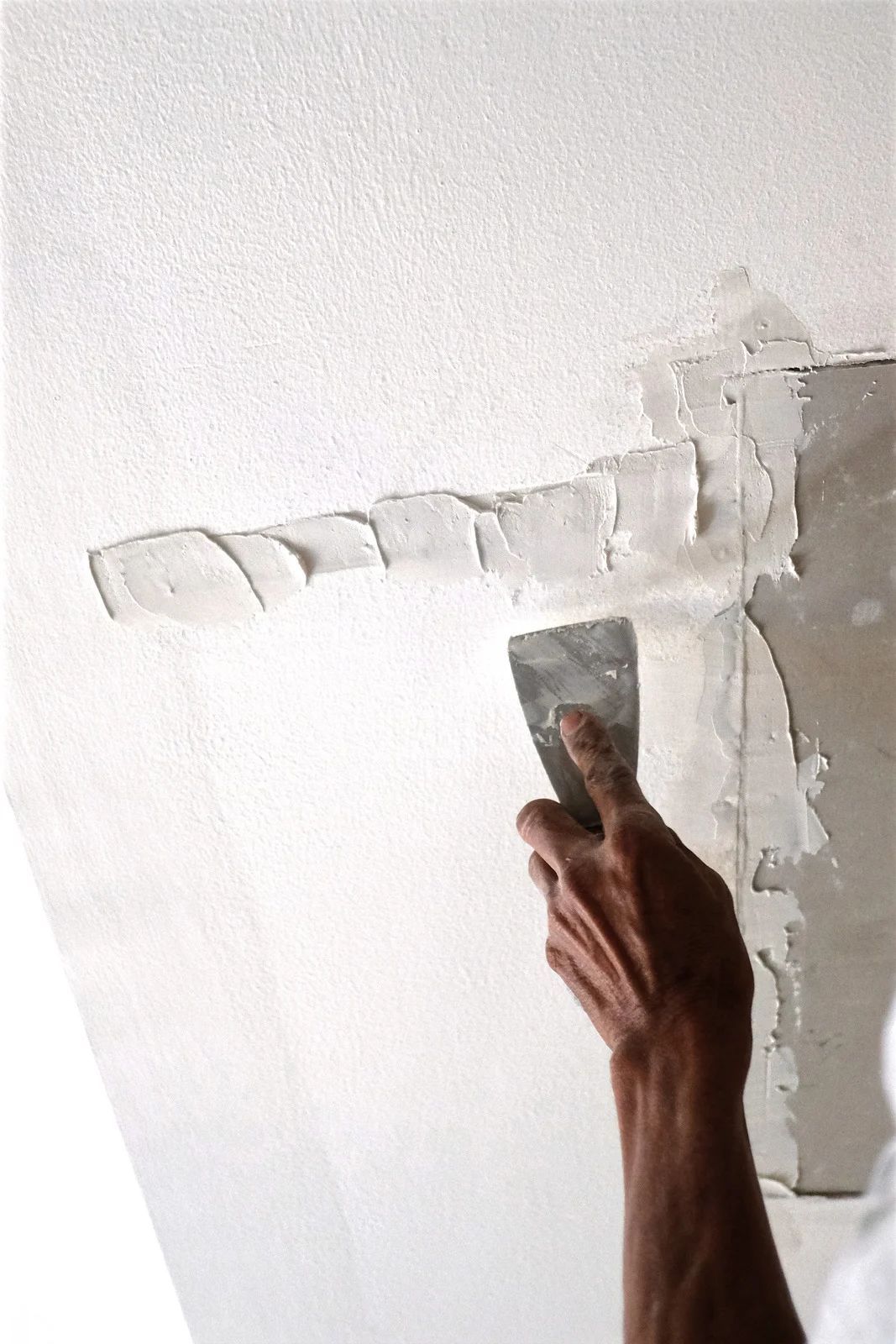
How Professionals Patch Large Holes Properly
Large hole repairs follow a structured process to ensure durability and visual consistency.
- The damaged area is cut cleanly to remove weak edges.
- Backing or framing support is installed if needed.
- A new drywall section is fitted and secured.
- Seams are taped and reinforced.
- Multiple compound layers are applied and sanded.
- Texture is matched to surrounding surfaces.
Skipping steps often leads to cracking, visible seams, or uneven finishes over time.
When Large Hole Repairs Become More Expensive
Some situations push repairs toward the higher end of the cost range.
Repairs often cost more when:
- The hole exposes plumbing or electrical components
- Water damage is present around the opening
- Multiple layers of drywall or plaster are involved
- The repair must blend into high-gloss or specialty paint
- Ceiling joists or studs need reinforcement
In older Hershey homes, opening a wall sometimes reveals additional repairs that must be addressed before patching.
Can Large Holes Be Repaired Without Replacing the Entire Wall?
In most cases, yes. Professionals can isolate the damaged area and patch it without replacing full wall sections. However, when damage is widespread or the surrounding drywall is compromised, replacing a larger section may be more cost-effective and produce better long-term results.
Frequently Asked Questions
Does paint matching affect the cost of large hole repairs?
Yes. Matching existing paint, especially custom colors or aged finishes, adds time and may increase the overall cost.
Is it cheaper to patch multiple holes at once?
Usually. Repairing multiple holes in the same area often reduces setup and labor costs compared to separate visits.
Can I patch a large hole myself to save money?
DIY repairs are possible, but improper backing or finishing often leads to visible seams or cracks that require professional correction later.
How long does a large hole repair take to complete?
Most repairs take one to three days due to drying time between compound layers, even if active labor time is limited.
Will patched areas be noticeable after repair?
When done correctly with proper texture and finish blending, patched areas should not be noticeable once painted.
Conclusion
The cost to patch large holes in walls depends on more than just size. Structural support, finish requirements, and blending all play a role, especially in homes around Hershey, Pennsylvania where repairs often involve existing finishes and older construction.
For homeowners who want durable repairs that blend seamlessly into their walls,
Patch Boys of South Central PA provides professional large-hole patching solutions without unnecessary upselling or shortcuts.