When Should You Hire Pros for Plaster Repair vs Drywall Patch?

Wall damage can look similar at a glance, but the correct repair depends on what the wall is made of and how that material fails. Choosing the wrong approach often leads to recurring cracks, visible seams, or repairs that don’t last.
In Hershey, Pennsylvania, many homes feature a mix of original plaster and newer drywall, which makes understanding the difference especially important before deciding how to fix damaged walls.
Why Plaster and Drywall Fail Differently
Plaster and drywall behave differently because of how they are constructed. Plaster is a rigid, layered material applied over lath, meaning damage often involves separation or movement beneath the surface. Drywall is a panel system designed to be cut, replaced, and blended in localized areas, which makes isolated repairs more reliable when the structure behind it is sound.
Situations That Require Professional Plaster Repair
Certain types of damage indicate that plaster is failing structurally rather than cosmetically. These situations typically require professional plaster repair rather than surface patching.
Repeating Cracks
Cracks that return after being filled usually signal ongoing movement or separation behind the plaster. Without stabilizing the wall, surface repairs will continue to fail.
Loose or Hollow Plaster
Plaster that sounds hollow when tapped or shifts slightly under pressure has likely detached from the lath. This condition requires reinforcement before any cosmetic work can succeed.
Widespread Crack Patterns
Spider-web cracking or long fractures extending across large wall or ceiling areas point to systemic plaster issues rather than isolated damage.
Situations Where a Drywall Patch Is Appropriate
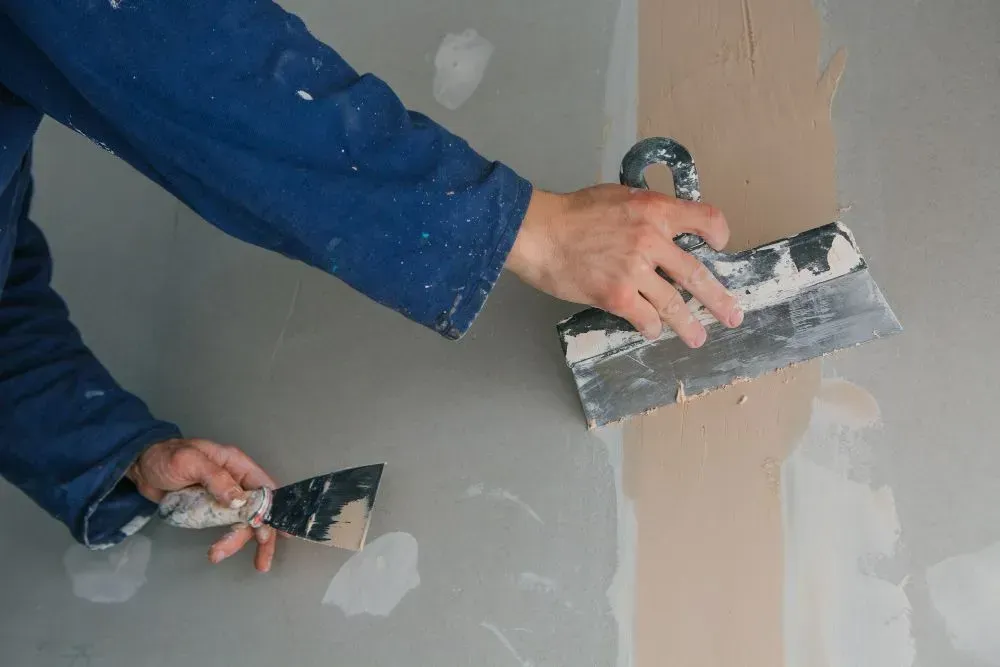
Drywall patching works well when damage is limited and the surrounding wall structure remains stable. In these cases, replacing only the affected section is usually sufficient.
A drywall patch is typically appropriate when:
- Damage is confined to a single hole or impact area
- The wall surface does not flex or move
- Cracks are short and non-structural
- The repair area does not span multiple studs
These scenarios are common after door impacts, removed fixtures, or access holes from plumbing or electrical work.
What Happens When the Wrong Repair Is Chosen
Applying drywall-style patches to failing plaster often leads to cracks reappearing, visible seams, or sections pulling away from the wall. On the other hand, replacing plaster unnecessarily increases labor, debris, and cost while altering the character of older homes common throughout Hershey, Pennsylvania.
Plaster Repair vs Drywall Patch: Key Differences
Understanding how plaster repair and drywall patching differ helps clarify why they are not interchangeable solutions.
| Factor | Plaster Repair | Drywall Patch |
|---|---|---|
| Best suited for | Structural plaster failure | Isolated surface damage |
| Repair approach | Reinforcement and stabilization | Section replacement |
| Skill requirement | Specialized | Standard |
| Typical longevity | Long-term when stabilized | Long-term if blended properly |
How Professionals Decide Which Repair You Need
Professionals evaluate wall conditions systematically before recommending a repair method. This process focuses on structure rather than appearance.
The evaluation process typically includes:
- Identifying wall material and thickness
- Checking for movement, flex, or hollow sounds
- Assessing crack patterns and damage spread
- Inspecting underlying support where accessible
- Recommending repair based on structural stability
This approach is especially important in Hershey, Pennsylvania homes where plaster and drywall may exist side by side.
Warning Signs That Should Not Be Ignored
Some wall issues worsen quickly if left unaddressed and should be evaluated by a professional as soon as possible.
You should seek professional help if:
- Plaster is falling away from walls or ceilings
- Cracks are spreading across large areas
- Wall surfaces feel unstable to the touch
- Previous repairs have failed repeatedly
Addressing these issues early often prevents larger and more costly repairs.
Frequently Asked Questions
Can plaster walls be skim-coated instead of repaired?
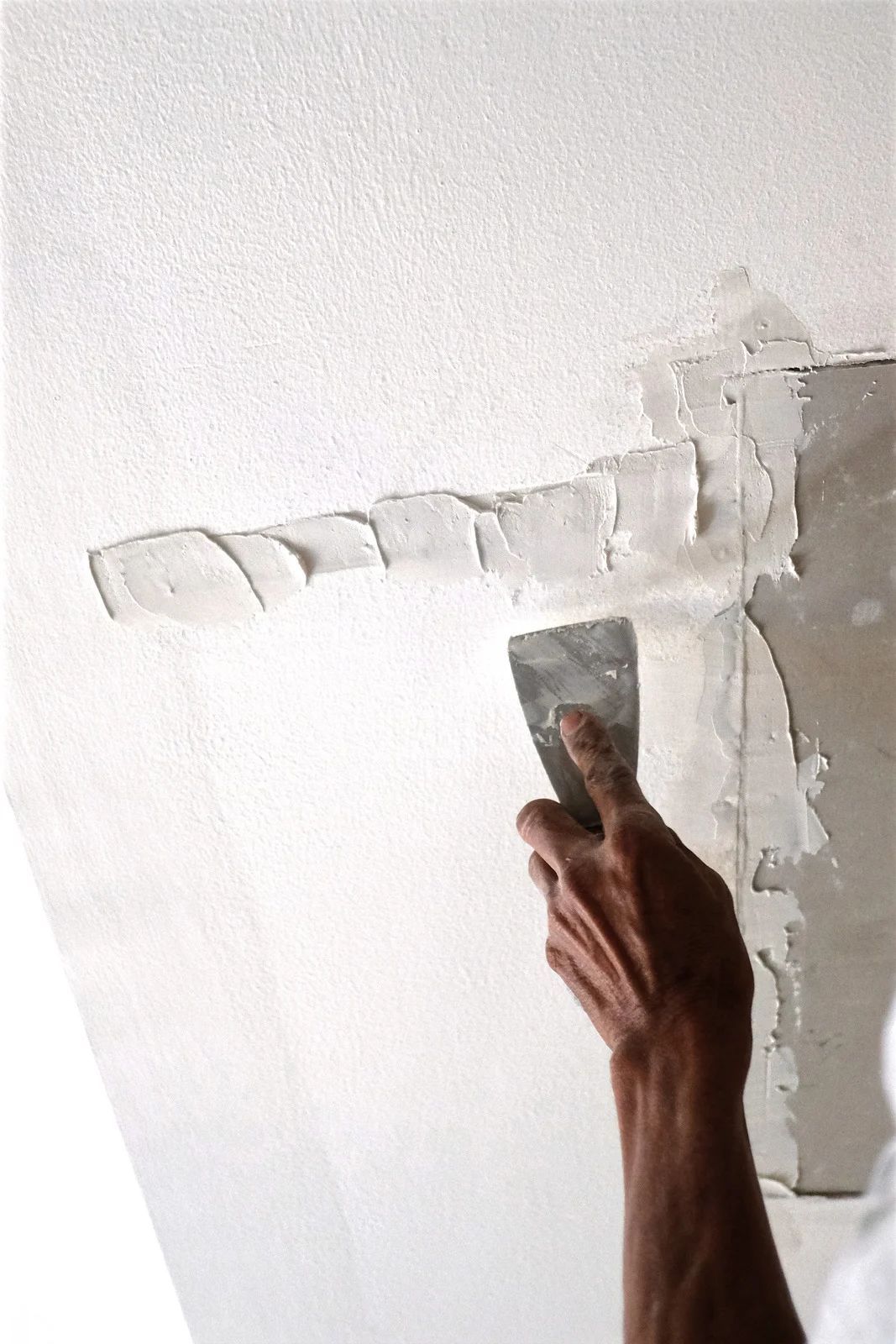
Skim coating improves appearance but does not fix loose or failing plaster unless the wall is stabilized first.
Is plaster repair always more expensive than drywall patching?
Plaster repair usually costs more upfront, but improper drywall patching often leads to higher long-term costs.
Can plaster and drywall exist on the same wall?
Yes. Many homes in Hershey, Pennsylvania have partial drywall updates over original plaster.
Will plaster repairs affect trim or outlet alignment?
Proper plaster repair maintains original wall depth, preventing trim or outlet issues.
Can drywall patches be invisible after painting?
When seams and texture are blended correctly, drywall patches should not be noticeable once painted.
Conclusion
Knowing when to hire professionals for plaster repair versus drywall patching depends on wall material, failure type, and structural stability, not just visible damage. Making the right choice protects both your walls and your budget, especially in Hershey, Pennsylvania homes with mixed construction.
Patch Boys of South Central PA helps homeowners identify the correct repair approach and apply solutions that last, without unnecessary replacement or overselling.